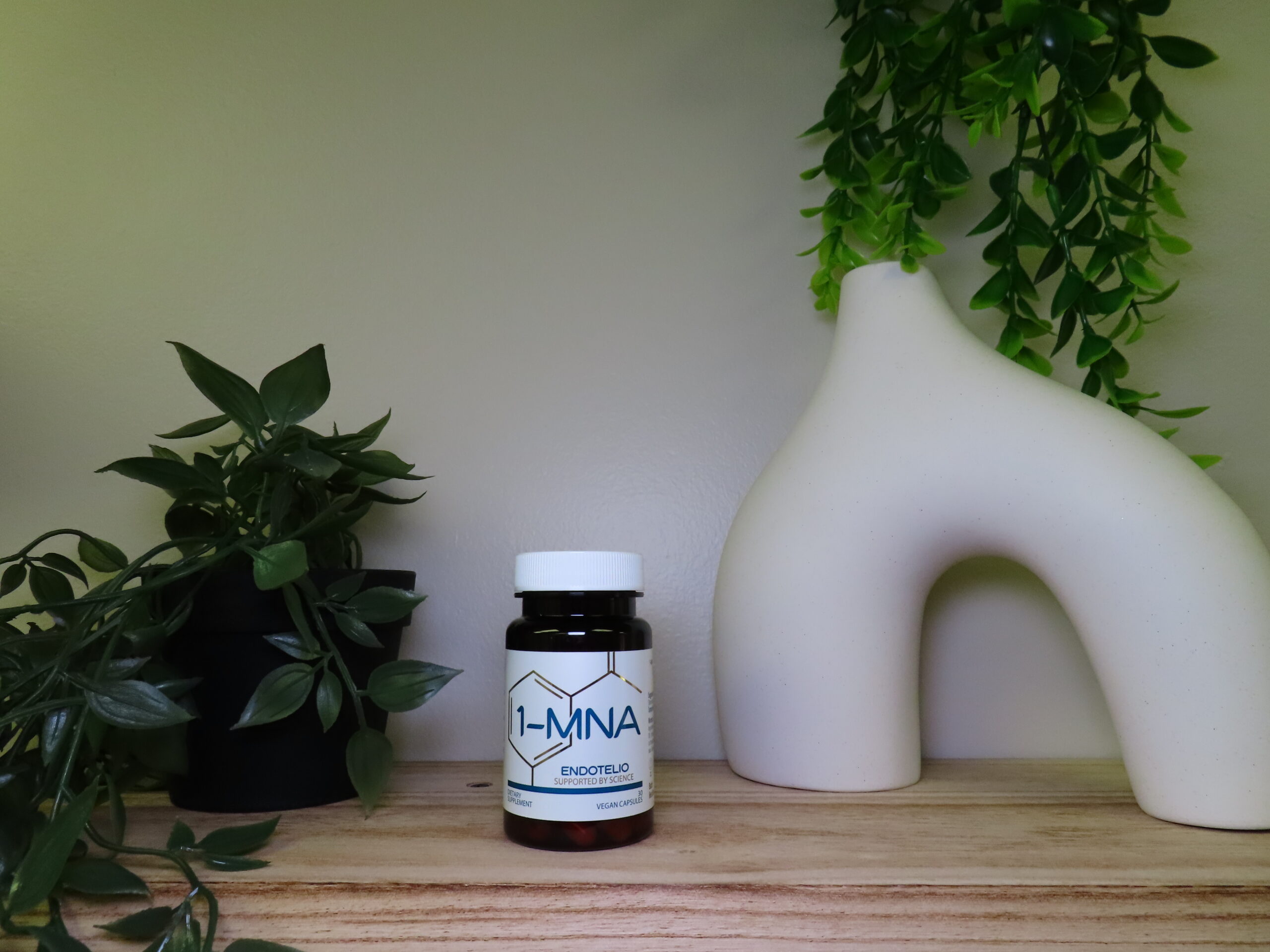
*It is recommended to consult with a physician before taking Endotelio 1-MNA.*
Harness the power of the Molecule of the Future with 1-MNA, a natural clinically proven way to safely enhance NAD levels and support cellular longevity. With over 20 years of research and endorsed by 250+ clinicians, this patented supplement is crafted to improve energy, vascular health, and cellular resilience, paving the way for a healthier lifestyle.
1-MNA, which stands for 1-methylnicotinamide, is a natural byproduct of nicotinic acid and nicotinamide, both primary variants of vitamin B3. Research indicates that 1-MNA plays a role in supporting the health of the vascular endothelium and the cardiovascular system. Given its potential in minimizing the onset of atherosclerosis, it’s considered beneficial as a dietary supplement, especially for older individuals.
1-MNA is a compound naturally produced in our bodies, primarily in the liver, as it’s a byproduct of nicotinic acid and nicotinamide metabolism. While it’s also found in vitamin B3-rich foods, dietary sources contribute minimally to the total amount of 1-MNA present in the human body. In fact, around 60% of the niacin we consume is transformed into 1-MNA, as cited by Menon et al., 2007.
In humans, 1-MNA is predominantly produced in the liver during niacin metabolism. This production stems from the enzymatic breakdown of nicotinamide, facilitated by nicotinamide N-methyltransferase (NNMT) (as referenced by Felsted and Chaykin, 1967; Pissios, 2017). Once synthesized, 1-MNA converts into pyridones: 2-PYR and 4-PYR. Although both are generated, 2-PYR is the principal metabolite of 1-MNA in humans, as noted by Sugihara et al., 2005.
At Inner Glow Studio, we carefully curate products that are safe, effective, and clinically aligned with your journey toward optimal, vibrant health. The following selections are IGS Provider-approved favorites, chosen to support real, measurable results.
👇 Explore the links/products below to get exclusive discounts.
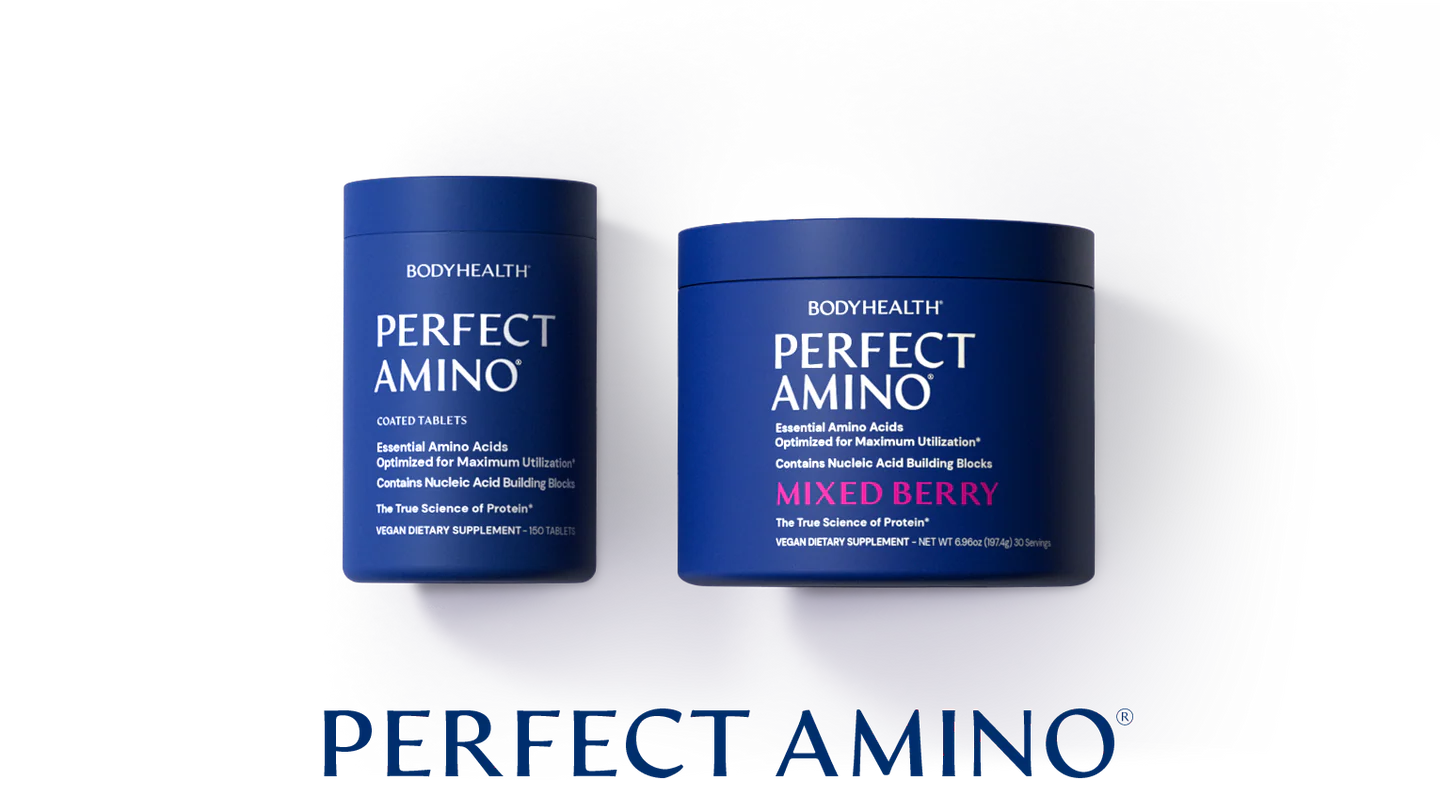
Use Code: LL-G7O0GAZB
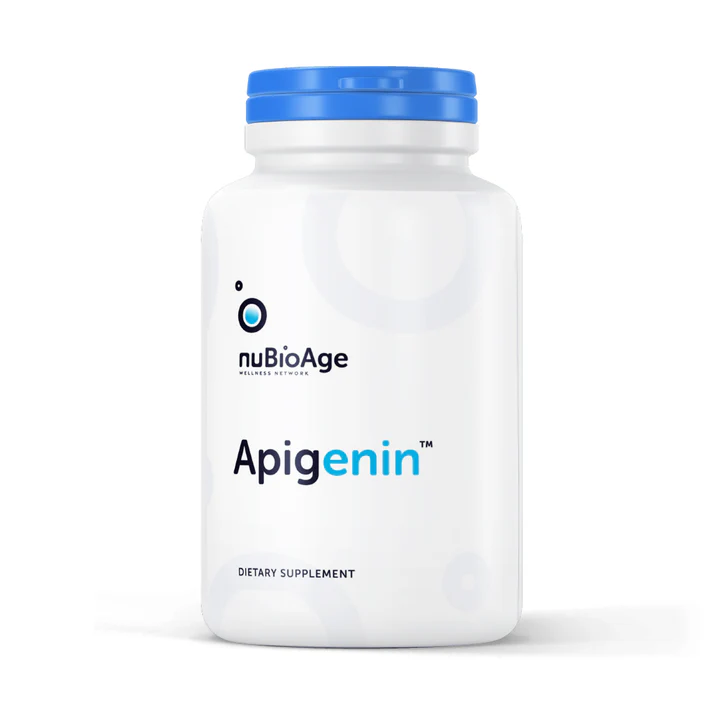
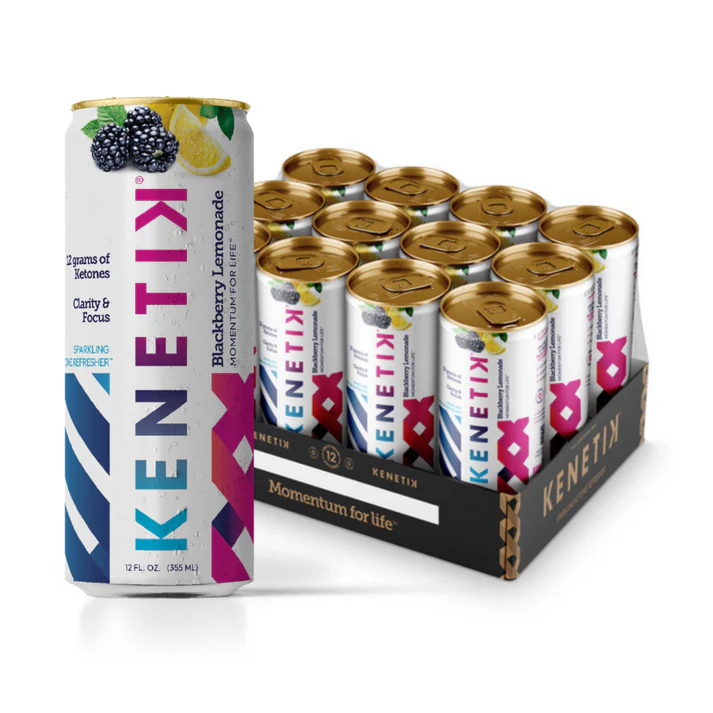
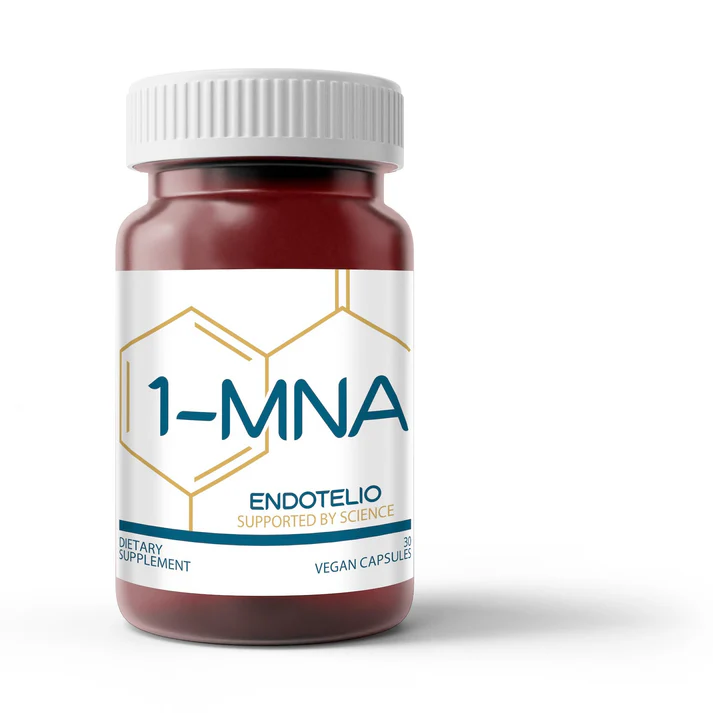
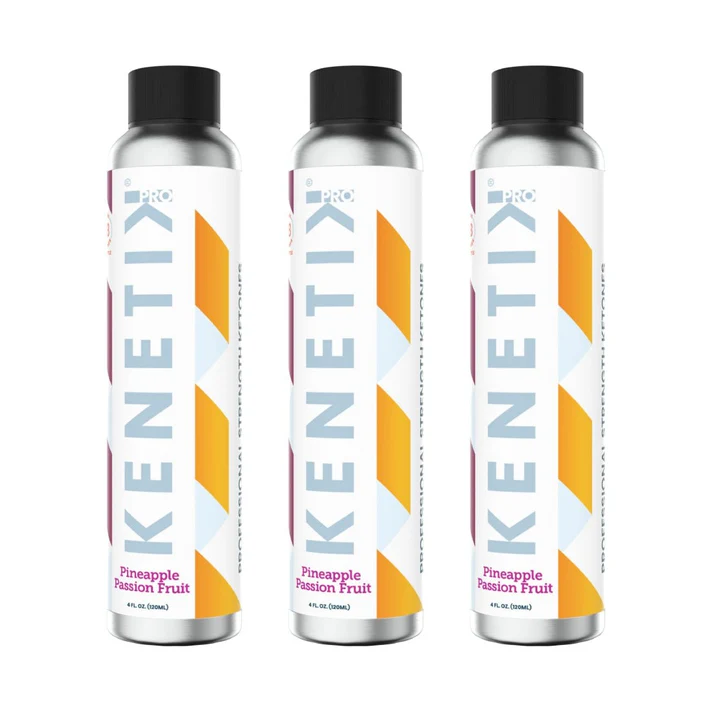
For exclusive discount at Truvaga.com

Truvaga Plus (for $30 off):
Use Code: InnerGlowPlus
Truvaga 350 (for $20 off):
Use Code: InnerGlow350
For exclusive discount at

For exclusive discount at

For exclusive discount at